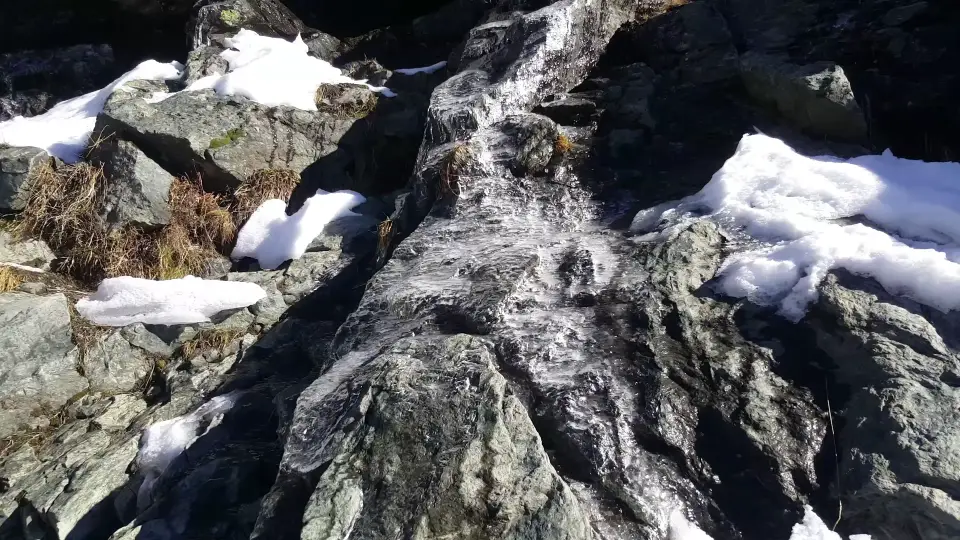
Listening to Ice
Episode 13. On ice that sings, on priests who have recorded a lake freezing for six hundred years, and on the thaw.
This episode begins with a sound like an effect from a science-fiction film. It isn’t a synthesizer. It is how thin, young ice on a lake sounds when it cracks somewhere far away, or when someone throws a stone onto it.
Ice only sings when it is young, smooth and free of snow. Then it falls silent for the whole winter.
Chapters
- Introduction. Eight centimetres of ice and a moment of silence.
- Singing ice. Where the falling whistle comes from and why the high notes travel faster.
- The Lake Suwa chronicle. Six hundred years of records of when a lake in Japan freezes over.
- Thaw. Ice that rustles, sighs and settles.
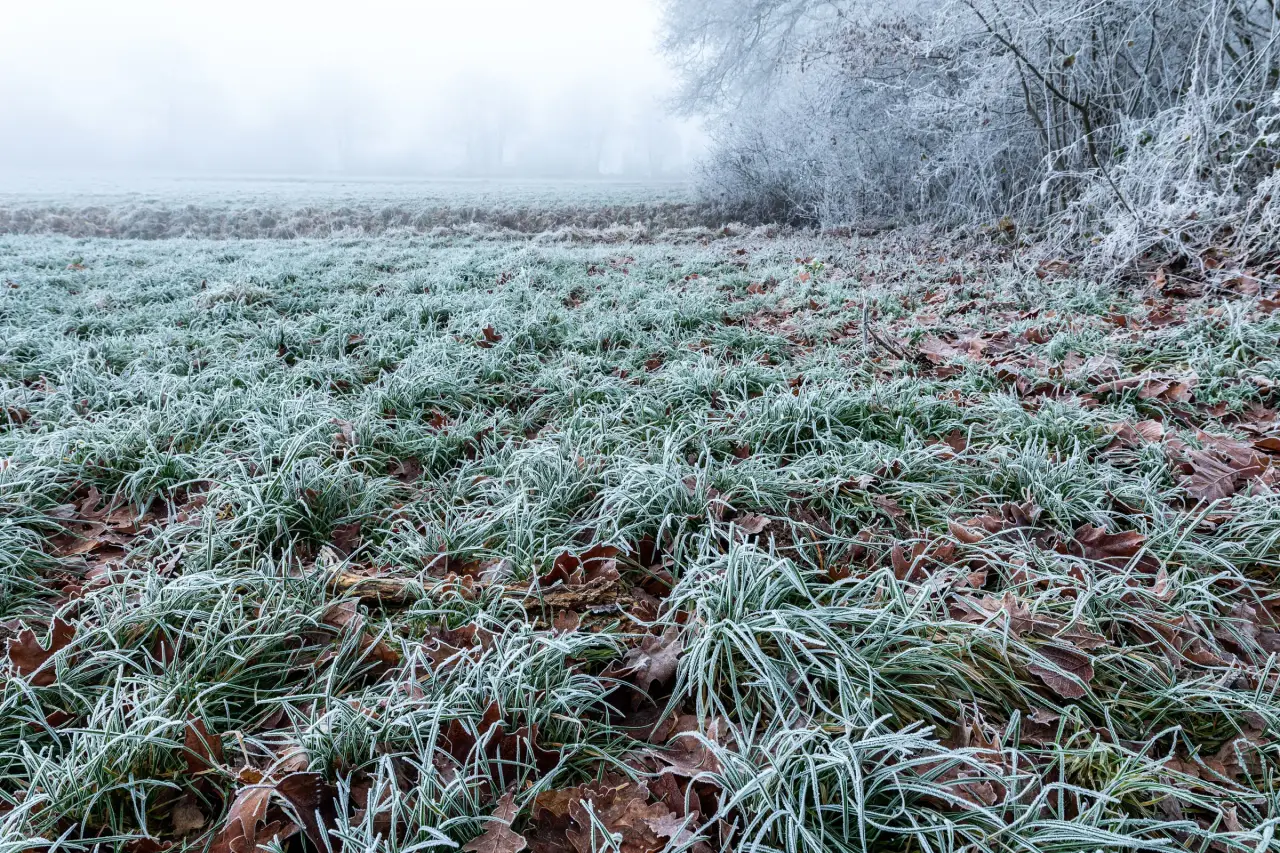

A chronicle that ends with the word “none”
Since the fifteenth century, priests at a shrine on Lake Suwa in Japan have recorded whether and when the lake froze hard enough for the ice to push up into a ridge they call the path of the god. For centuries it happened almost every year. In recent decades the chronicle more and more often notes that there was no ice.
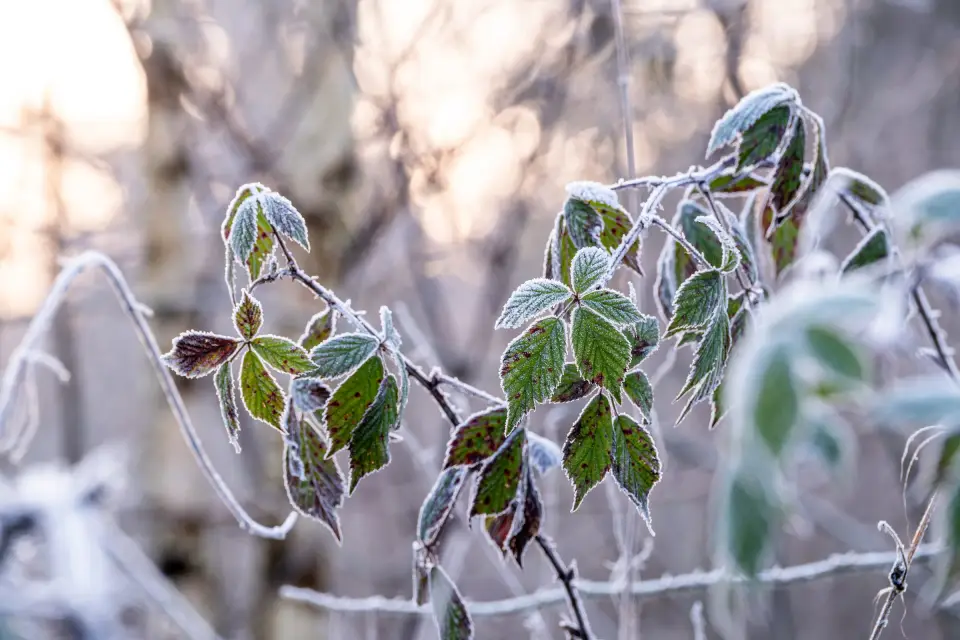

It is one of the longest records of nature we have, and one of the simplest. It needs no thermometer and no satellite. Just someone going to the same lake every year and writing down what they see.
The ice sounds in this episode are synthesized from field recordings. The narration is a synthetic voice.