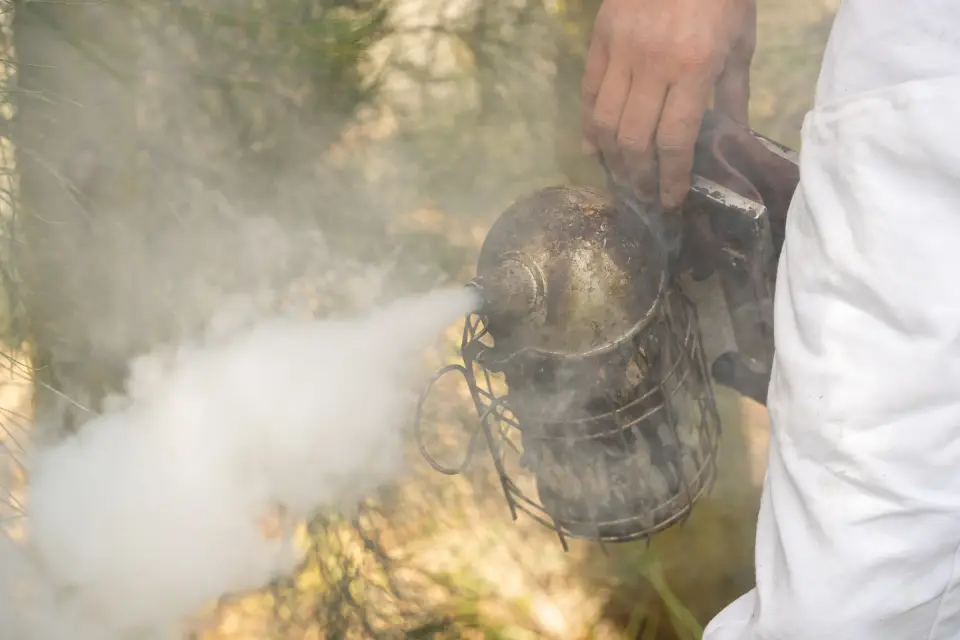
A Hive in a Pine Trunk
Tree beekeeping, keeping bees in hollows of living trees, all but vanished from Polish forests. A dozen people are trying to bring it back.
A tree beekeeper climbs a tree the way other people climb stairs: unhurried and without thinking. A rope wraps around the trunk; his feet find their hold in the bark. Twelve metres up, in the trunk of a living pine, there is a hollow carved by hand four years ago. A colony of bees lives in it, and nobody brought them here.
“They came on their own,” he says. “That’s the best sign the hollow is well made.”
Before the frames
For centuries this is what beekeeping looked like in the forests of Central Europe. Tree beekeepers had their own laws, courts and the marks they carved into trees. Honey and wax were so valuable that stealing from a tree hive was punished more harshly than many other crimes.
Tree beekeeping didn’t vanish because it was bad. It vanished because it couldn’t coexist with a forest whose main job was to produce timber. A tree hive needs an old, thick tree. And those were the first to be felled.
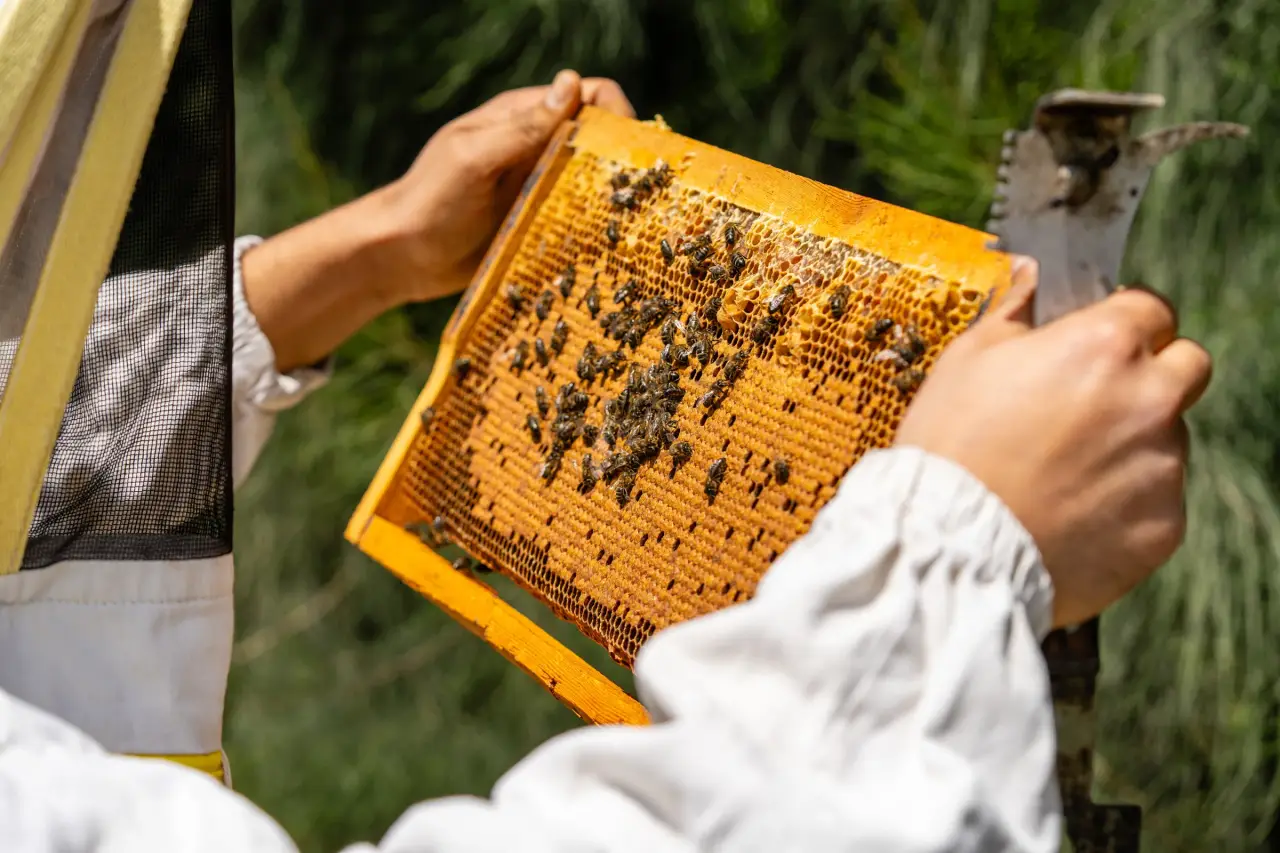

A bee that doesn’t need us
Today’s tree beekeepers stress that their work isn’t about producing honey but about protection. They take little from a tree hive, sometimes nothing. The point is for the honeybee to have a place to live in the forest again, as it did for thousands of years before we domesticated it.
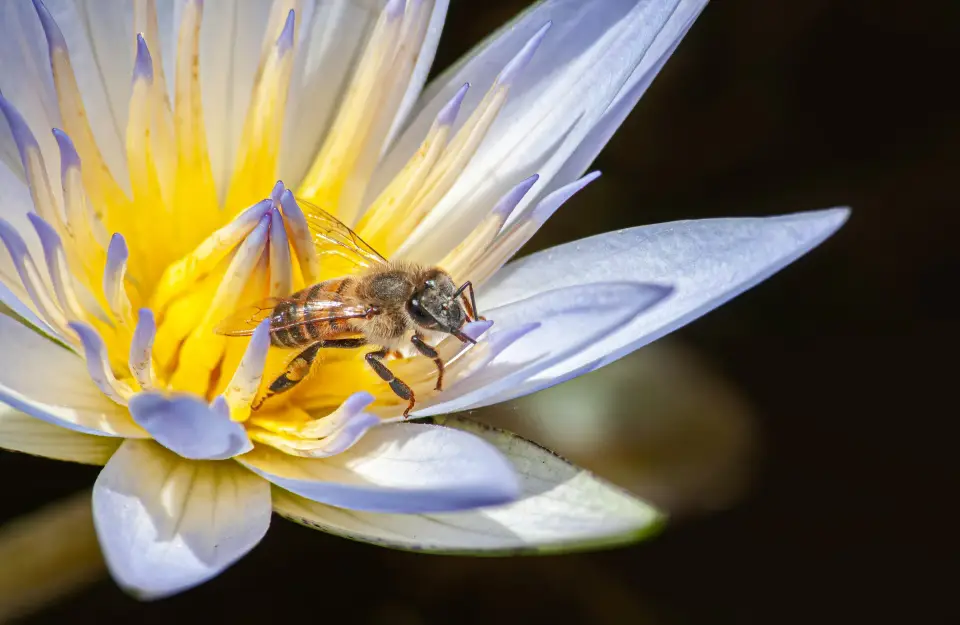

In tree hives the bees regulate temperature and humidity themselves, swarm when they choose and fight disease without chemicals. Researchers at several universities are studying whether these forest colonies are hardier than those in apiaries. The results are promising, but it is too early for conclusions.
- 12 m
- the typical height at which a tree hive is carved
- ~2 years
- how long the wood must dry before bees will move in
- 2020
- the year tree beekeeping joined the UNESCO list
A tree hive isn’t a beehive. It’s an invitation. The bees may come, or they may not.