The Oxbow
A short film about a river that changed its mind, and the people who, after fifty years, let it go back where it wanted to flow.
A lowland river never runs straight. It wears away one bank, drops sand on the other and slowly shifts its bends, until one spring flood cuts through the narrowest neck and leaves a loop on its own. That is how an oxbow forms: a horseshoe-shaped lake that remembers where the water once flowed.
In the 1970s many Polish rivers were straightened. Channels were deepened, banks reinforced, oxbows cut off. The water was meant to flow fast and stay out of the way. It did. And with it, the water from the surrounding meadows drained away fast too.
The film
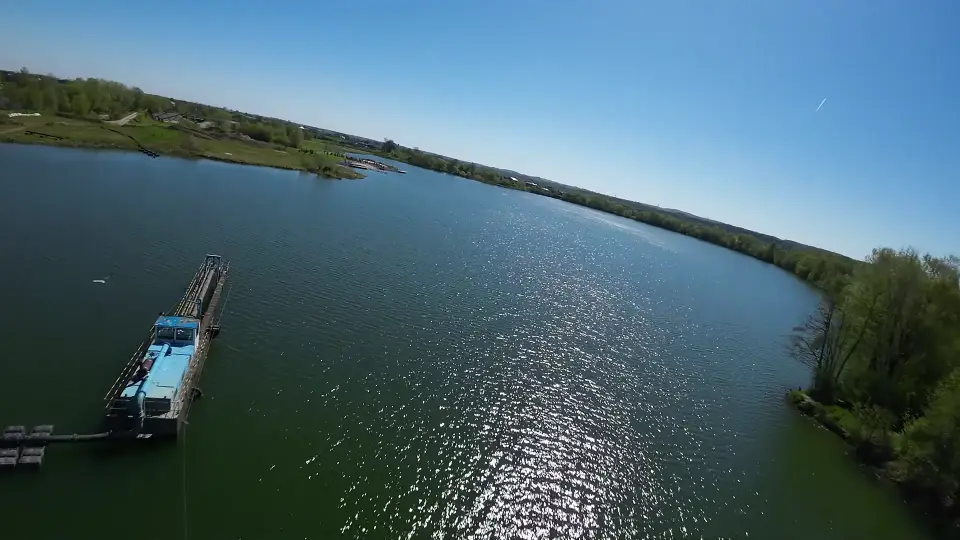
We shot this film from a drone, flying low over the water at the pace the river itself would move, if it could. The header of this page is an excerpt.
_05.JPG)
What happens when the water comes back
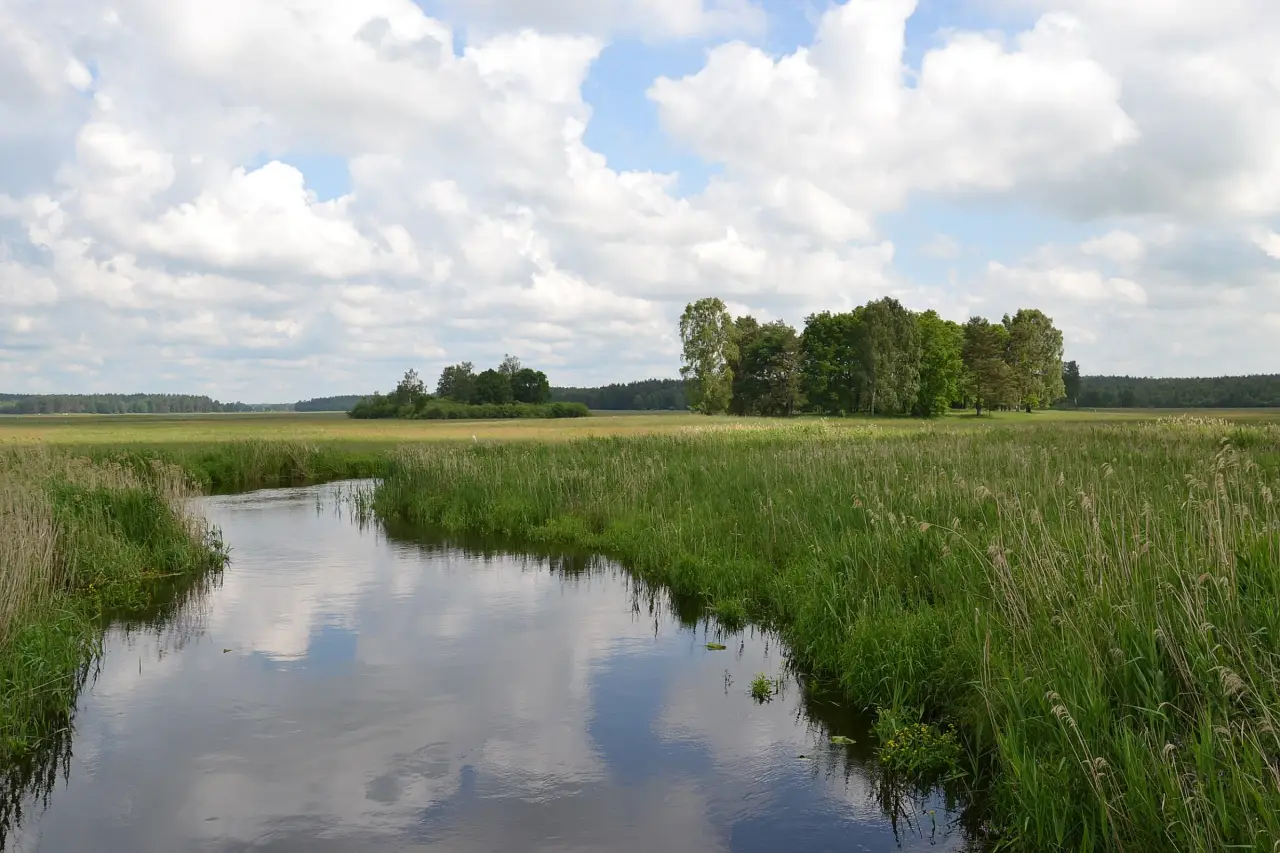
River restoration isn’t about rebuilding the past; it is about handing the decisions back to the river. Remove the reinforcements, reconnect the oxbow to the channel and wait. First the fish return, because oxbows are where they spawn. Then amphibians, wading birds and beavers, who start doing the rest of the work for us.
For fifty years we taught the river where to flow. It turned out it knew better.
Not everyone is happy. Farmers who spent years mowing a dry meadow now have to wait until summer. But the same water that delays the hay harvest saves the wells during a drought. The river is neither good nor bad. It is simply a river.