An Atlas of Salt
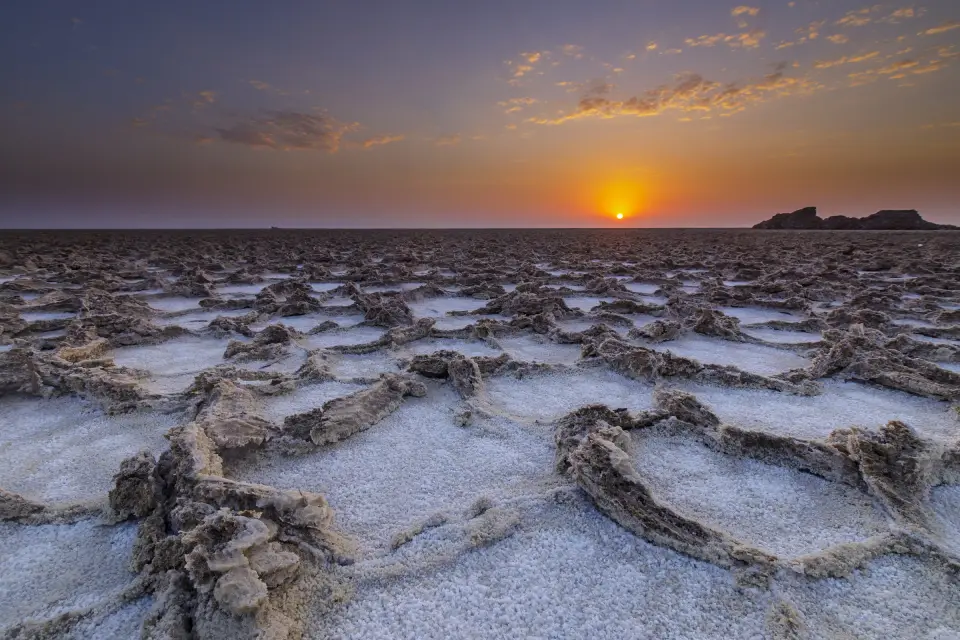
From Ethiopia’s Danakil Depression to the graduation towers of Ciechocinek. A photo essay about the mineral that built empires and now sits in every salt shaker.
Salt is so ordinary that it is easy to forget how extraordinary its landscapes are. It forms where water leaves and what it carried stays behind: in deserts, in shallow lagoons, deep underground where there once was a sea.
For five years I photographed places where people still harvest it by hand or work to a rhythm set by evaporation. Everywhere I heard the same sentence: salt doesn’t like to be hurried.
- ~6,000 years
- the age, at least, of the oldest known salt works in Europe
- 3.5%
- the average salinity of the oceans
- 327 m
- the depth of the lowest level of the Wieliczka mine
Pans
The simplest way to make salt: let seawater into shallow basins and wait. The sun and the wind do the rest. On Lanzarote, mounds of salt dry along the edges of the pans like a row of tents; on Malta the basins were cut into the limestone back in Roman times.
Underground
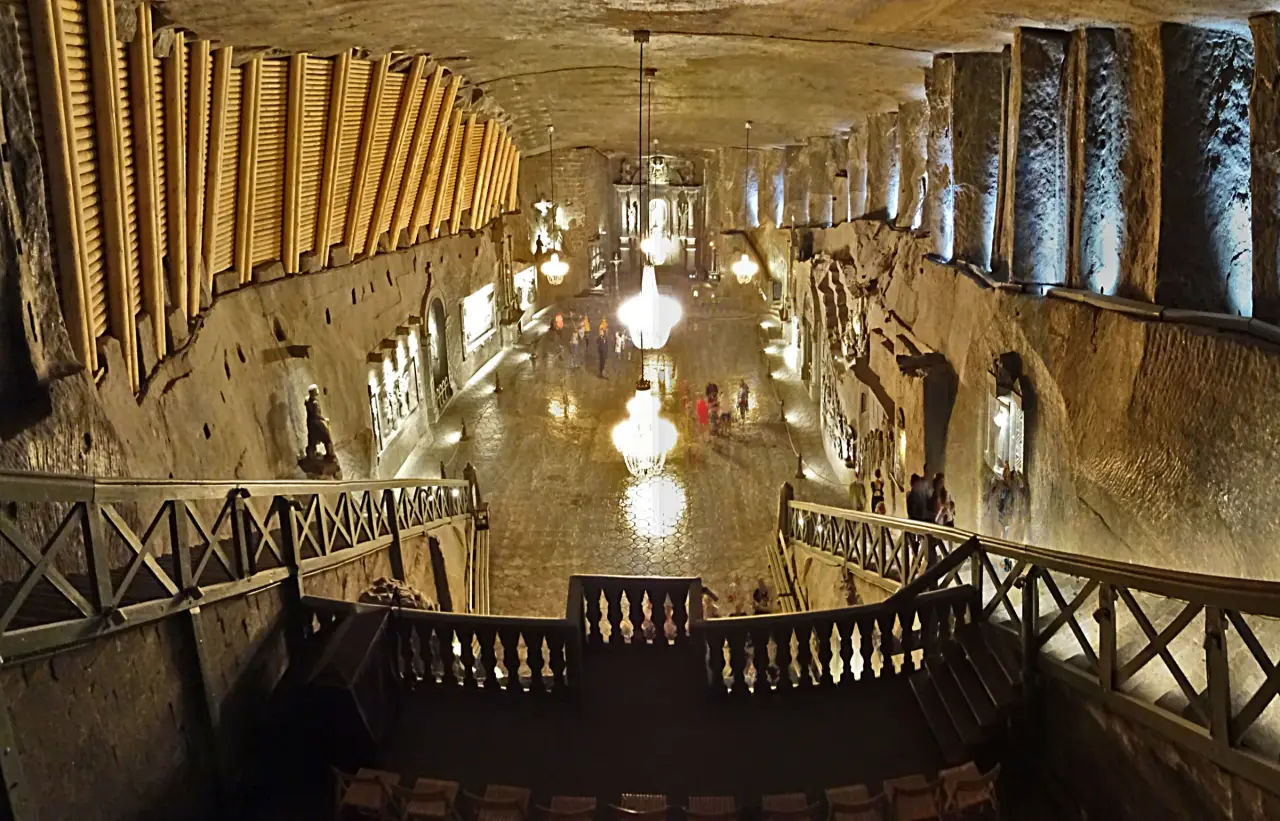
Salt was mined at Wieliczka from the 13th century. Miners who spent whole days underground carved chapels, altars and chandeliers out of it. St Kinga’s Chapel lies more than a hundred metres below the surface and is made entirely of salt, floor included.

Salt doesn’t like to be hurried. You have to wait until the water decides on its own that it’s time to go.
Air that tastes of the sea
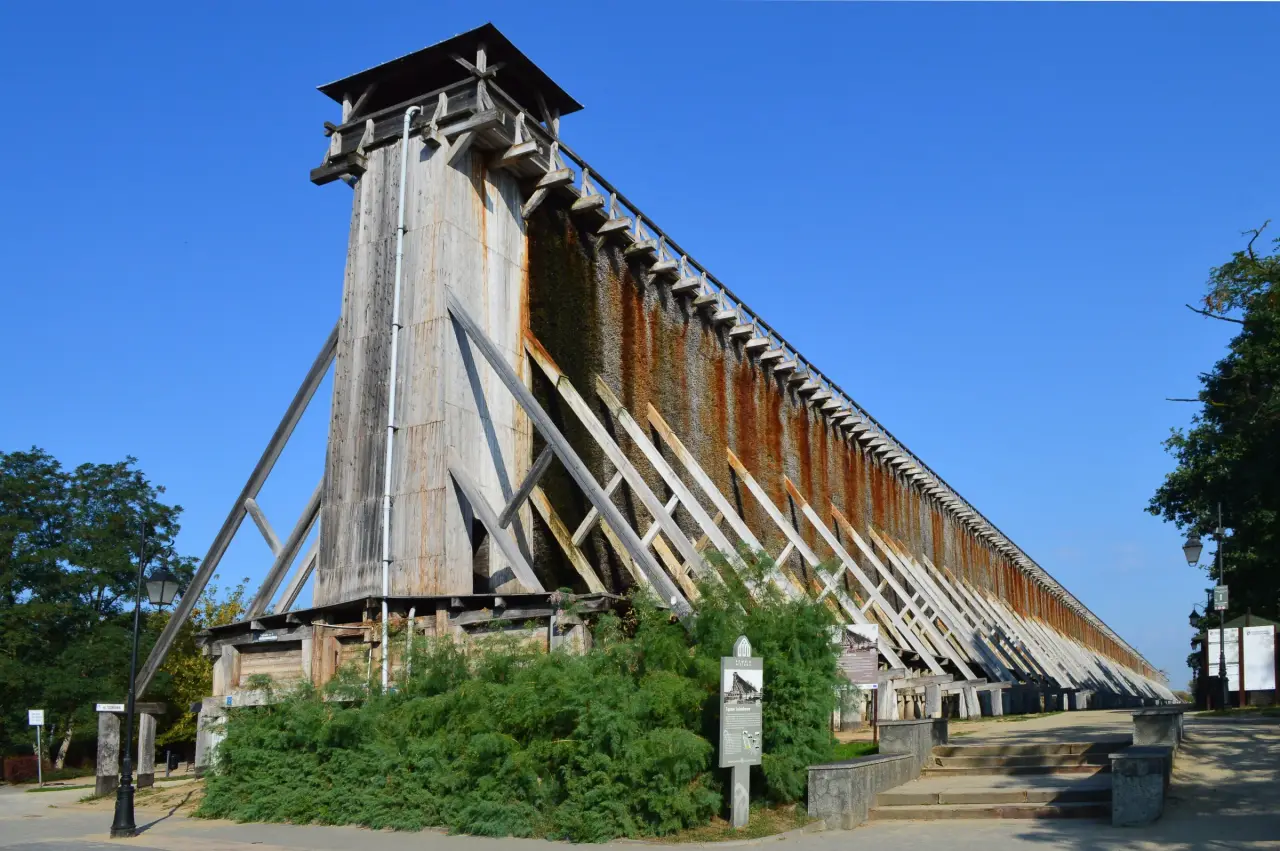
The graduation towers of Ciechocinek are wooden walls more than 1,700 metres long, packed with blackthorn twigs. Brine trickles slowly down them, evaporates and thickens, and the air around takes on a seaside microclimate. They were built in the 19th century to produce salt; today people come here to breathe.

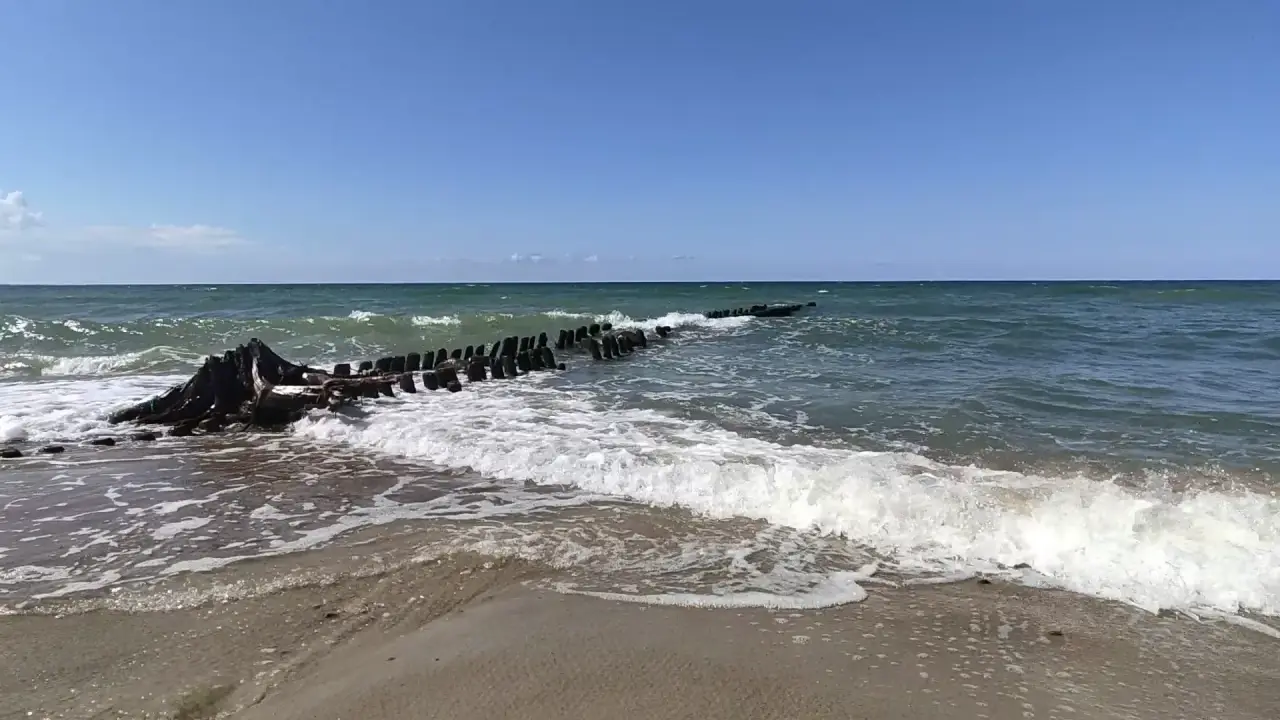
The last photograph in this series I took on the Baltic coast. There are no pans or mines here. Only water that still carries what it carried thousands of years ago, waiting for someone patient enough to draw it out again.