Conversations with a Peat Bog
Episode 12. We stand ankle-deep in water at five in the morning, listening to moss that has been growing here for millennia.
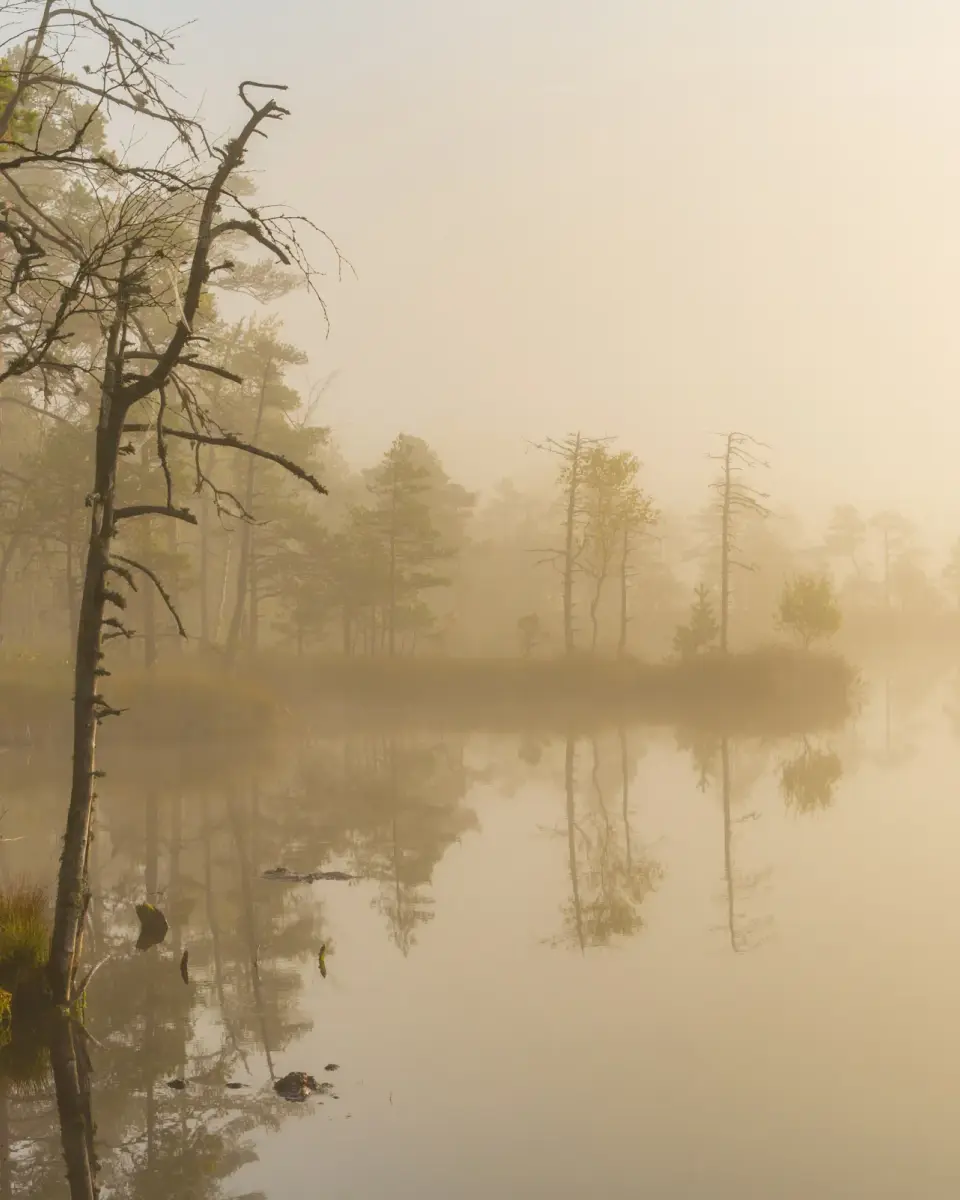
For centuries we considered peat bogs useless. You can’t plough them, it’s hard to walk on them, and harder still to build anything there. So we drained them. Most of Europe’s wetlands disappeared that way.
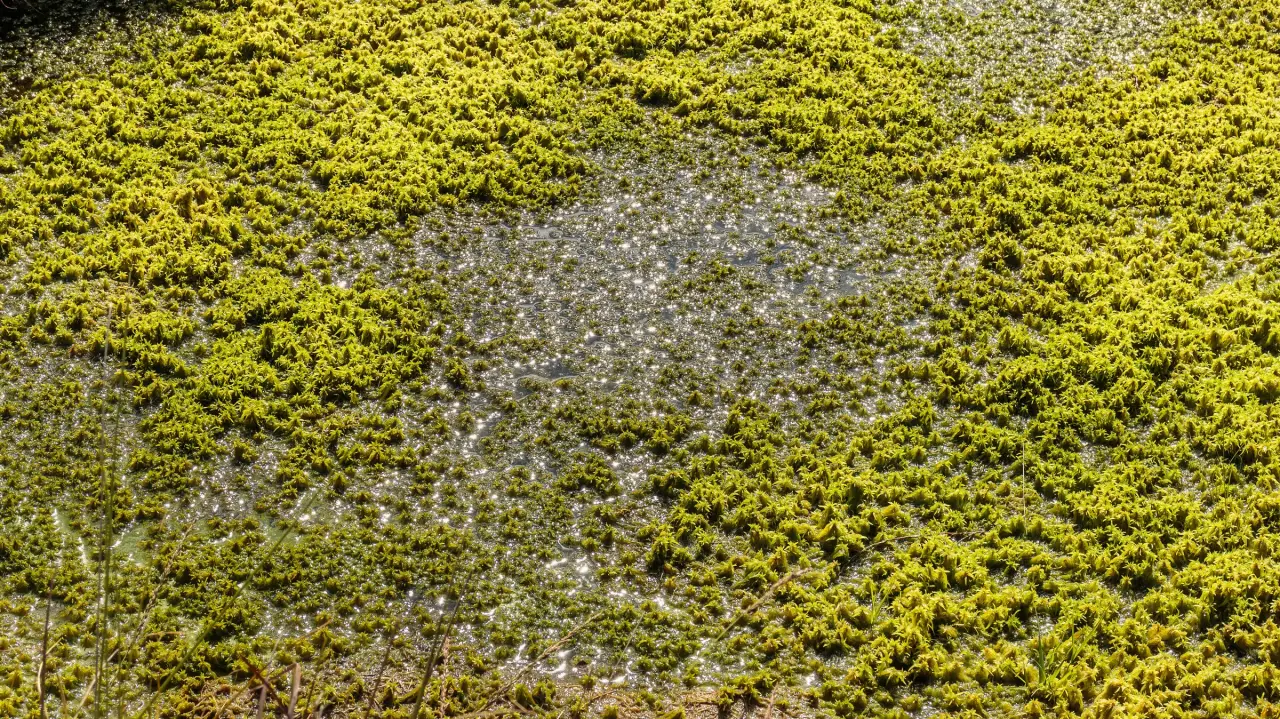
In this episode we listen to one of those that remain. The recordings were made at dawn, at three degrees Celsius, with a microphone hanging a few inches above a carpet of peat moss.
_13.jpg)
In this episode
- why peat grows only a millimetre a year and what that means for the climate,
- how a bog records history in pollen, seeds and ash,
- what an aquatic warbler is and why it needs an unmown meadow,
- how to listen to a wetland without disturbing it.
There is no music in this episode: the background is wind and water from our field recordings. The narration is a synthetic voice.