Dark Sky
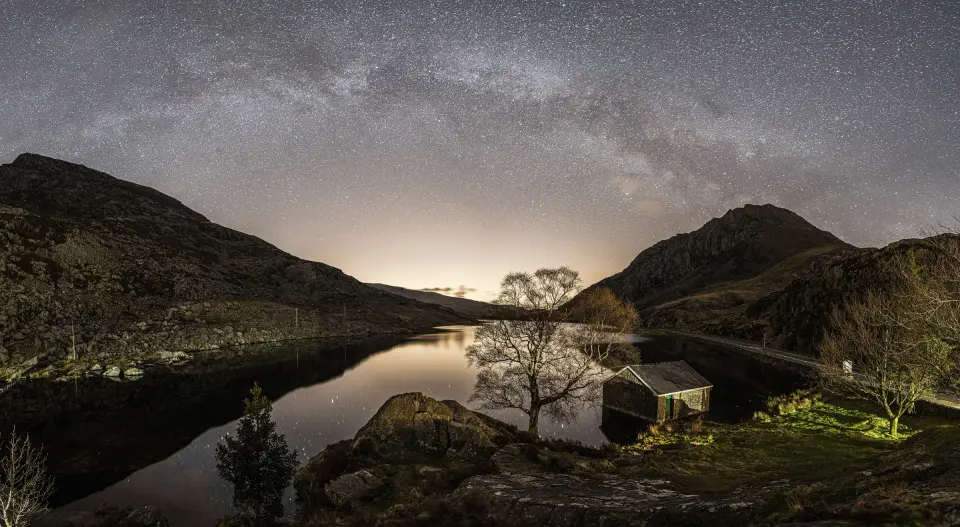
Most people in Europe have never seen the Milky Way. Not because it has gone, but because we have lit it away.
My grandmother used to say that in August, in her village near Siedlce, you didn’t need a torch. Starlight was enough, and the Milky Way was so bright it cast shadows. For a long time I thought she was exaggerating. Then I went to the Bieszczady mountains for the first time.
A sky that disappears
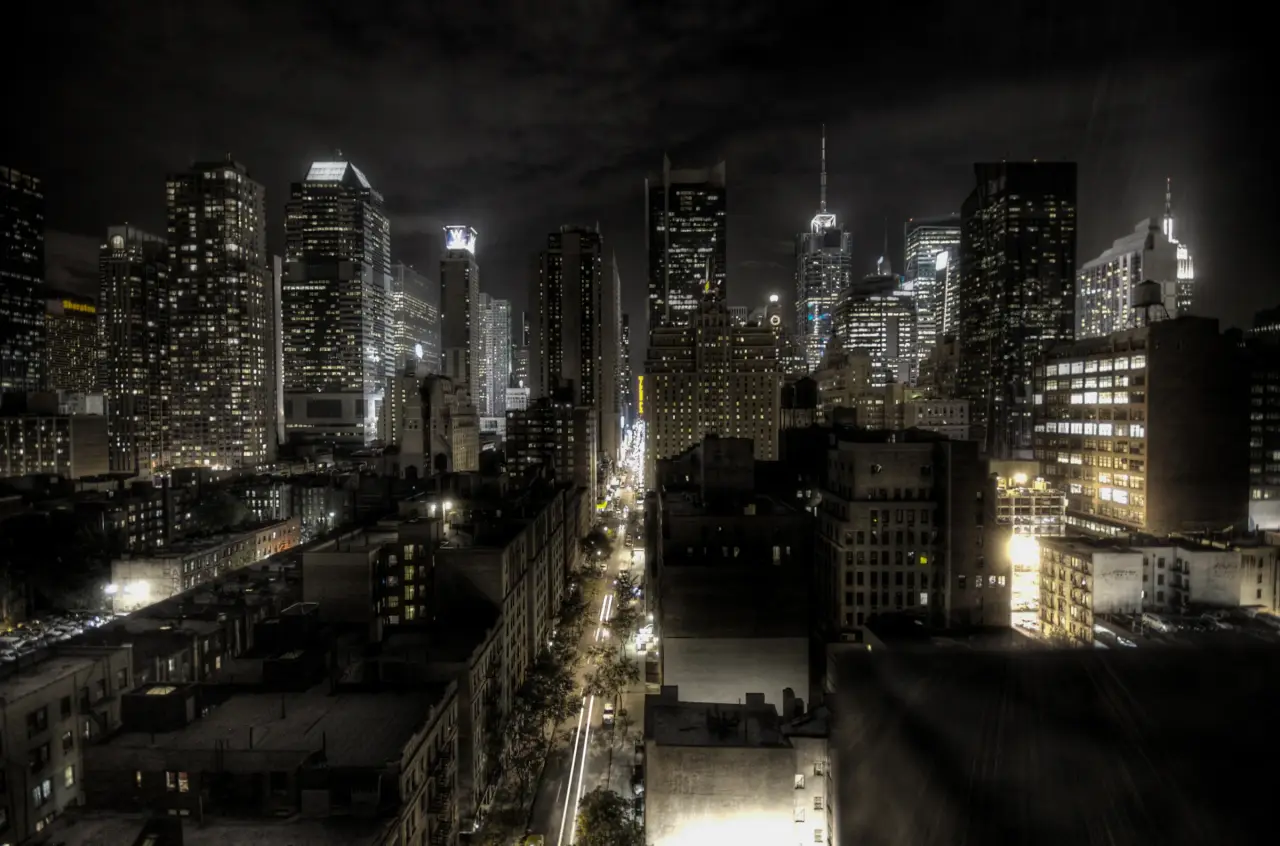
Light pollution is the only kind of pollution you can switch off with a single button. And yet it is growing faster than most others. Every streetlight shining upwards, every billboard and every lit car park adds to a glow that spreads tens of kilometres above our cities.
- over 80%
- of the world’s people live under light-polluted skies
- 60%
- of Europeans cannot see the Milky Way from home
- 1/3
- of humanity has never seen it
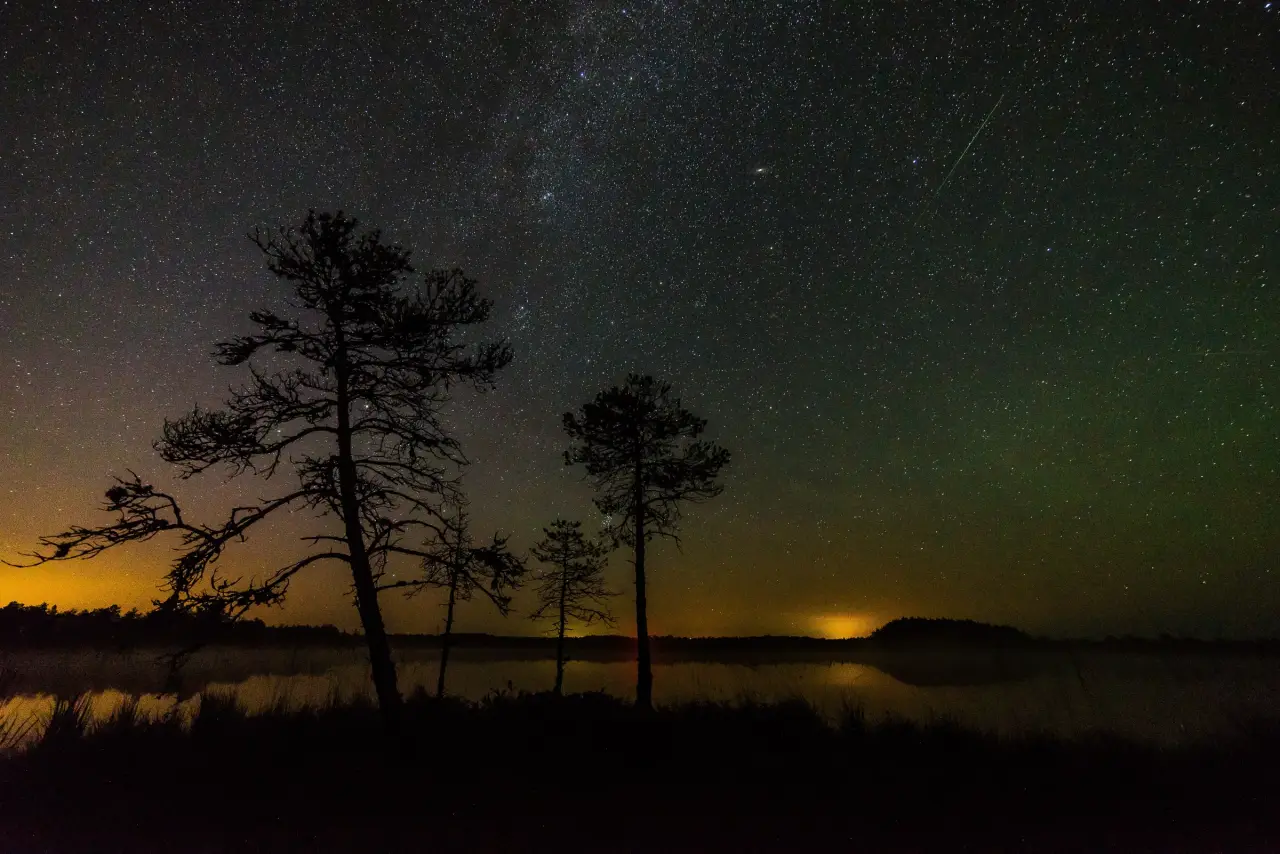
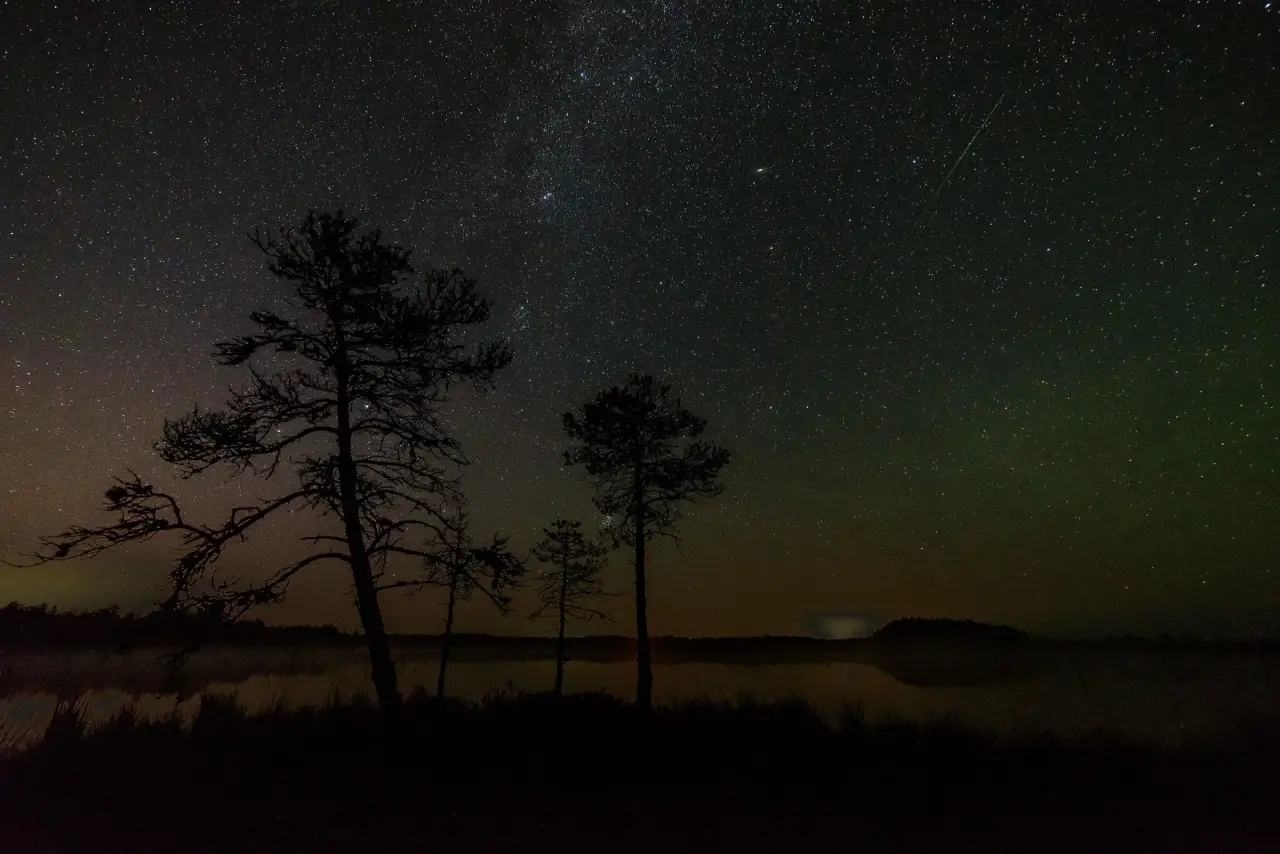
The difference is easiest to see in a single photograph. Move the slider: on the left, the original with the glow of a nearby town; on the right, the same sky with the artificial light taken out.

Darkness is not emptiness. Around 60 per cent of invertebrates and 30 per cent of vertebrates are active at night. Moths1 A single streetlight can draw in and kill hundreds of insects in one night. circle streetlights until they are exhausted, migrating birds lose their way over lit-up cities, and street trees keep their leaves longer than they should.

Darkness isn’t an absence of light. It is the condition for seeing something that shines more faintly than we do.
Dark sky parks
There are places in Poland that have decided to protect the night. The Izera Dark Sky Park opened in 2009, the first in the country; four years later the Bieszczady Starry Sky Park followed. Local councils there replace streetlights with ones that shine only downwards, in warm light, and visitors come to see the dark.
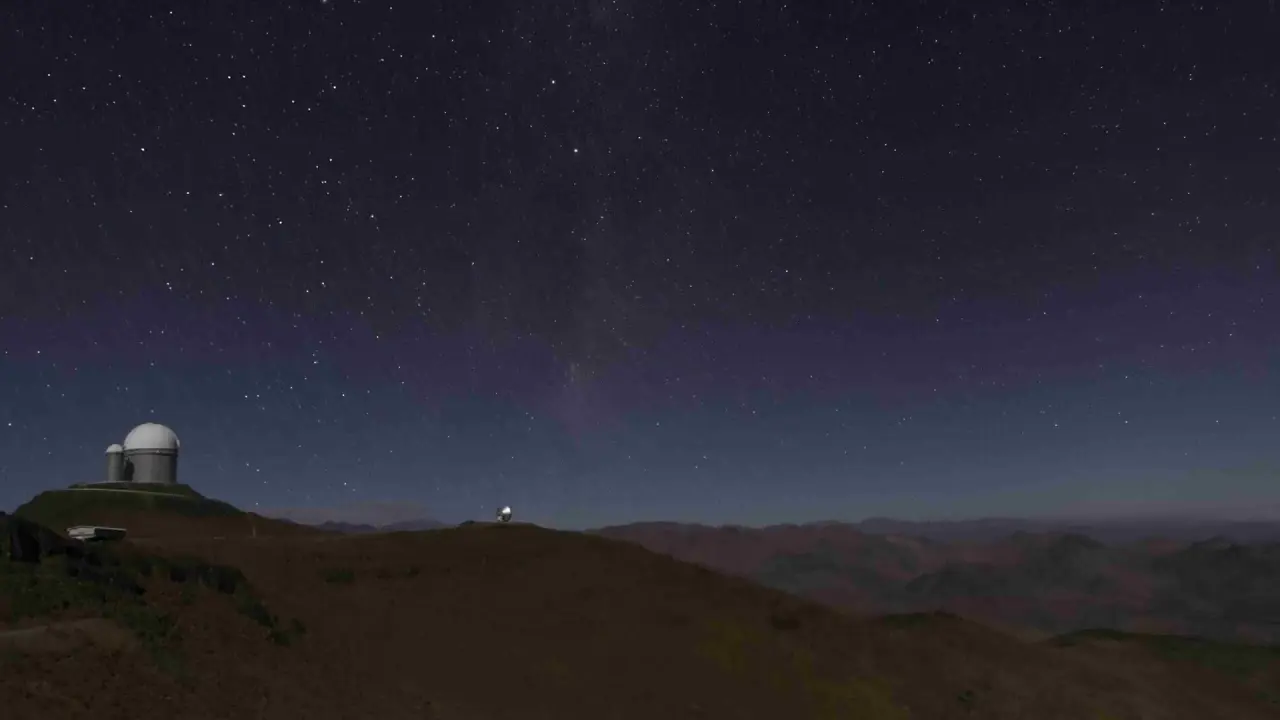
I came back from the Bieszczady with one conclusion. My grandmother wasn’t exaggerating. We were the ones who forgot.